
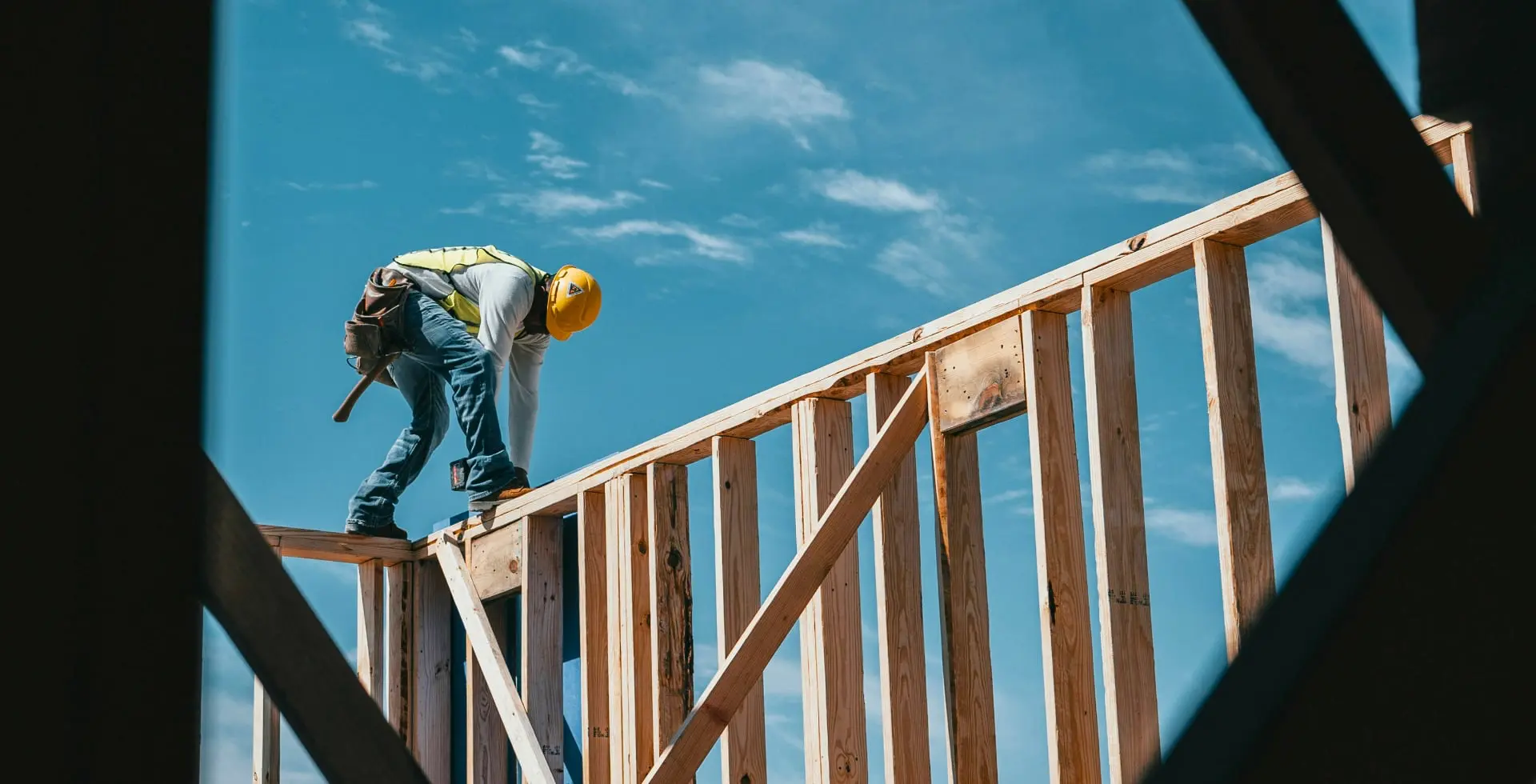
Financing That's Structured for How Construction Actually Works.
Construction financing is different from a standard mortgage in one fundamental way: the money often doesn’t come all at once. It’s released in stages as your project progresses, which means the lender you choose needs to understand construction timelines, draw schedules, and what can go wrong along the way. We’ve been arranging construction mortgages across BC since 1994, and we know how to structure the financing so it works with your build, not against it.
From the First Shovel to the Final Inspection — We've Financed It.
Construction financing covers a range of project types. Here’s how we approach the most common ones.
Whether you own the land already or are purchasing it as part of the project, we structure construction financing that covers the build from site prep through to occupancy. We work with both custom home builders and owner-builders, and we know which lenders understand each type of project.
Not all construction financing is for new builds. Major renovations, additions, full gut-and-rebuilds, significant structural work, often qualify for construction mortgage financing, which can be more flexible and better structured than a standard renovation loan or HELOC. We assess your project and match it to the financing structure that actually fits.
Financing raw land is different from financing a build, and combining the two into one transaction is different again. We help you navigate the full sequence: land acquisition, construction draws, and the conversion to a conventional mortgage once the build is complete, so you’re not starting from scratch at each stage.
The Money Comes in Stages. So Does the Interest.
A construction mortgage — sometimes called a draw mortgage — releases funds progressively as your build hits defined milestones. Foundation complete. Framing done. Drywall and rough-ins finished. Each stage triggers an inspection, the inspector signs off, and the next draw is released. In many cases, you only pay interest on what’s been drawn, not on the full amount.
This structure works well when everything goes to plan. When it doesn’t, a contractor delay, a supply chain issue, a permit that takes longer than expected, the financing needs to be flexible enough to absorb it without creating a crisis. That’s where lender selection and deal structure matter. We’ve seen enough BC builds to know what can go sideways, and we build that awareness into how we set up the financing from the start.
Not Every Lender Understands Construction
Many conventional lenders are hesitant on construction deals. The risk profile is different and the administration is more complex. We work with lenders who do construction financing regularly and know how to move through draw inspections without unnecessary delays.
Built for Your Timeline, Not Theirs
We structure construction mortgages around your build schedule: realistic contingency periods, draw milestones that match your contractor’s workflow, and enough flexibility to handle the unexpected without triggering penalties or renegotiations.
When Conventional Lenders Hesitate
Owner-builders, unconventional builds, and complex land-and-build transactions sometimes fall outside what conventional lenders will do. Because we lend our own capital, you have an alternative when it’s needed: faster, more flexible, and managed in-house.
From Draw Mortgage to Permanent Financing
When your build is complete, the construction mortgage converts to a standard mortgage. You’re not starting the financing conversation from scratch, because we handle both sides of that transition.
Start Early. The Financing Needs to Be in Place Before the Build Does.
Talk to Us Before You Need the Money
The earlier in the project planning we’re involved, the better. Bring us the plans, the land details (or purchase details), and your builder’s timeline. You’ll know what lenders want to see, what the likely terms look like, and how to structure things for the smoothest approval. Ideally, this conversation happens before you’ve signed a construction contract.
Assemble the Application
Construction mortgage applications require more than a standard package. Lenders want building plans, a fixed-price construction contract, a builder’s credentials and track record, a cost breakdown, and confirmation of permits. We tell you exactly what’s needed, help you organise it, and present it to lenders who are experienced with construction deals. You go to lenders already knowing the package is complete.
Approval and Draw Schedule
Once approved, we work with you and your builder to establish a draw schedule that maps to your build milestones. Each draw requires an inspector sign-off. We help you understand what inspectors look for at each stage so there are no surprises when the time comes.
Build, Draw, Convert
You’re never managing this alone. As your project progresses, we’re available for questions, draw processing support, and anything unexpected that comes up mid-build. When the build is complete and you’re ready to convert to a permanent mortgage, we handle that transition too.
What BC Builders and Owner-Builders Ask Us Most
Construction financing has more moving parts than most borrowers expect. These are the questions we hear most often — answered before your project gets underway.
How is a construction mortgage different from a regular mortgage?
Can I act as my own general contractor?
What happens if my build goes over budget or over schedule?
Do I need to own the land before I can get construction financing?
Not necessarily. Some lenders will finance land acquisition and construction in a single package, particularly if you’re purchasing an existing lot with building plans already in place. Others prefer the land to be owned outright before the construction mortgage is arranged. We assess your situation and find the lender and structure that fits — whether you’re starting with land in hand or purchasing everything together.
When should I start talking to a mortgage broker about construction financing?
Earlier than most people think. Ideally, before you sign a construction contract or make binding commitments to a builder’s timeline. The approval process takes longer than residential, the documentation requirements are more involved, and getting the draw schedule right requires input from both the lender and your builder. Coming to us with plans and a project outline — even before you have a builder locked in — lets us give you a realistic picture of what financing looks like before any deadlines are in play.